In 2018, I helped an Amazon seller source stainless steel water bottles. He'd spent 3 months messaging 40+ suppliers on Alibaba, collecting quotes that ranged from $3.80 to $7.20 per unit. None of them felt quite right — some were too expensive, others couldn't verify their factory, and most felt like trading companies wearing factory costumes. I told him to forget Alibaba for a week and book a flight to Yongkang. He did. Within 3 days, he visited 7 real factories, negotiated a price of $2.85 per unit (25% below his best Alibaba quote), and saw the production line with his own eyes. He didn't find a better factory on Alibaba because the best factories in Yongkang aren't on Alibaba. They don't need to be. Every buyer who matters already knows where to find them.
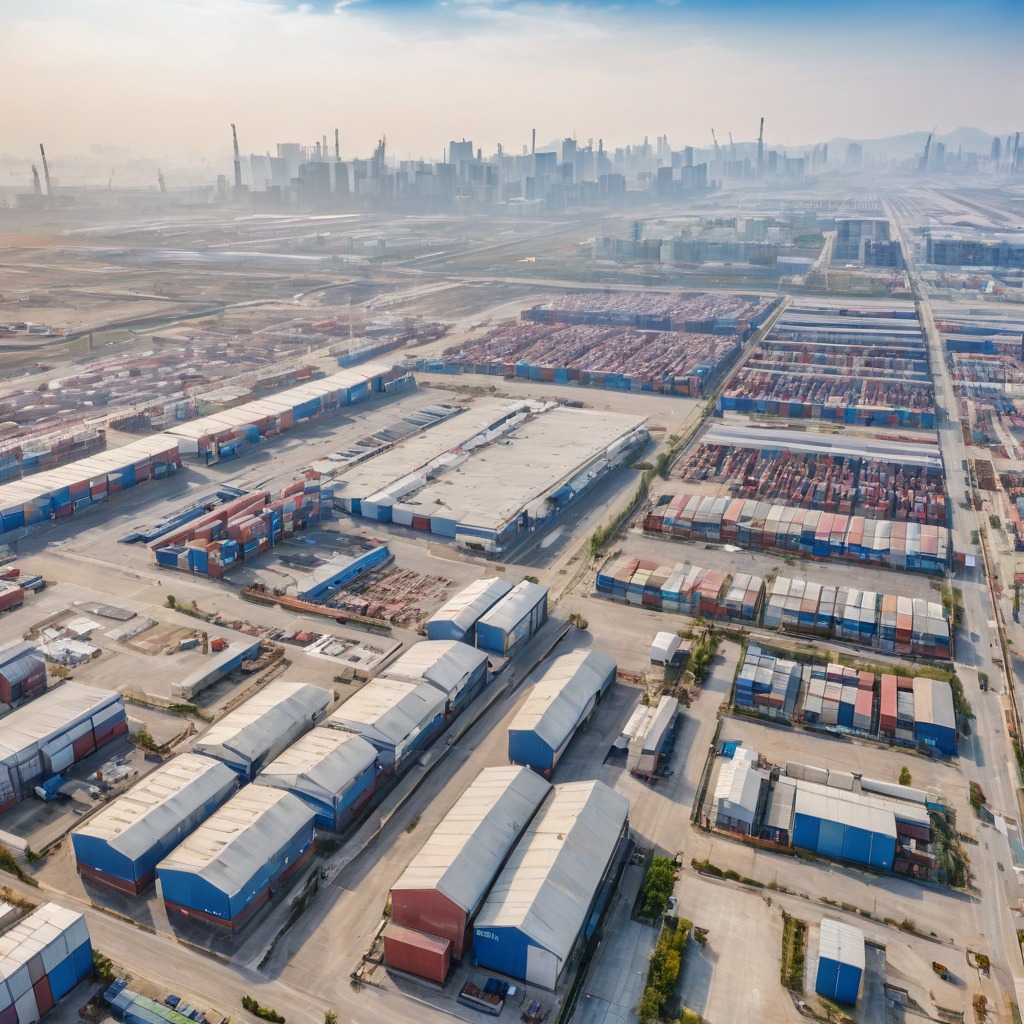
This is the power of understanding China's manufacturing clusters. China isn't one giant factory — it's a patchwork of 30+ deeply specialized industrial ecosystems, each one dominating a specific product category. When you source inside the cluster, you're swimming in the same water as the world's largest brands. When you source outside it, you're paying a middleman to swim for you.
Why Manufacturing Clusters Matter More Than Ever in 2026
Three trends have made cluster knowledge the single highest-leverage sourcing skill in 2026:
1. Alibaba is increasingly a trading-company platform. Over the past 3 years, the percentage of genuine manufacturers on Alibaba.com has declined as trading companies have become more sophisticated at appearing to be factories. Inside a cluster, you can walk past 20 real factories in an afternoon — no platform filters needed.
2. Cluster competition drives innovation and price. When 500+ factories within a 50km radius all make the same product category, competition is brutal — and that brutality benefits buyers. Factories inside clusters iterate faster, quote sharper, and accept smaller MOQs than isolated factories because losing any order to a neighbor is unacceptable.
3. The "cluster supply chain" is impossible to replicate elsewhere. A toy factory in Chenghai doesn't just have its own production line — it's surrounded by 3,000+ raw material suppliers, mold makers, packaging printers, component specialists, and logistics providers, all within a 30-minute drive. That ecosystem density simply doesn't exist outside these clusters.
The Cluster Sourcing Advantage by the Numbers
- 20–40% lower unit prices vs. sourcing the same product outside the cluster
- 50–70% faster sampling — cluster factories can produce samples in days, not weeks
- 3–5x more factory options — visit 5–10 factories per day instead of messaging 50 on Alibaba for 3 months
- Lower MOQs — cluster factories compete so fiercely that many accept trial orders of 100–500 units
- Built-in quality control ecosystem — third-party inspection companies, testing labs, and certification agencies cluster around manufacturing hubs
The 4-Tier Cluster Hierarchy
Not all clusters are the same. Understanding the hierarchy helps you calibrate your strategy:
Tier 1: Mega-Clusters (Regional)
Two massive manufacturing regions that together account for roughly 50% of China's exports:
- Pearl River Delta (PRD): Guangdong province. Shenzhen (electronics), Guangzhou (apparel, bags, shoes), Dongguan (furniture, molds, plastics), Foshan (ceramics, furniture), Zhongshan (lighting), Huizhou (consumer electronics).
- Yangtze River Delta (YRD): Shanghai, Zhejiang, Jiangsu. Yiwu (small commodities), Yongkang (hardware), Ningbo (home appliances, molds), Wenzhou (shoes, lighters), Shaoxing (textiles), Suzhou (laptops, precision manufacturing), Danyang (eyewear).
Tier 2: City Clusters
Entire cities that dominate a broad product category. For example: Shenzhen = consumer electronics, Guangzhou = apparel + bags, Chenghai (Shantou) = toys.
Tier 3: District Clusters
Specific districts within cities that specialize further. The Huadu district of Guangzhou makes 60% of China's leather bags. The Shiling district makes 70% of China's leather jackets. The Xintang district makes 60% of the world's jeans.
Tier 4: Hyper-Specialized Villages
Single towns that produce one thing — and produce most of the world's supply. Qiaotou produces 60% of the world's buttons. Dazhou produces 80% of the world's bamboo products. Fenghuang produces 70% of the world's watercolor brushes.
The Complete 2026 Manufacturing Cluster Directory
Below is a comprehensive directory of every major manufacturing cluster organized by product category. Use this as your sourcing roadmap.
Consumer Electronics & Hardware
| Category | Primary Cluster | Key Cities/Districts | Typical MOQ |
|---|---|---|---|
| Consumer Electronics | Shenzhen (PRD) | Huaqiangbei (components, accessories), Nanshan (R&D, HQ), Bao'an (manufacturing), Longgang (large-scale production) | 500–2,000 |
| Smart Home / IoT | Shenzhen + Hangzhou | Shenzhen (hardware), Hangzhou (software/AI integration), Ningbo (smart appliances) | 500–5,000 |
| Mobile Accessories | Shenzhen (PRD) | Huaqiangbei (cases, screen protectors, chargers), Longhua (power banks, cables) | 100–1,000 |
| Hardware & Tools | Yongkang (YRD) | Yongkang (power tools, door hardware, kitchenware, stainless steel), Danyang (hand tools) | 500–3,000 |
| Locks & Security Hardware | Yongkang + Wenzhou | Yongkang (mechanical locks), Wenzhou (smart locks, electronic locks) | 500–2,000 |
| LED Lighting | Zhongshan (PRD) | Guzhen town (60% of China's lighting), Xiaolan (commercial lighting), Henglan (outdoor) | 300–2,000 |
Toys, Baby & Children's Products
| Category | Primary Cluster | Key Cities/Districts | Typical MOQ |
|---|---|---|---|
| Plastic Toys | Chenghai, Shantou (PRD) | Chenghai district — 70% of the world's plastic toys, 15,000+ factories, complete supply chain from mold making to packaging | 500–3,000 |
| Plush / Stuffed Toys | Yangzhou (YRD) | Yangzhou — China's plush toy capital, 3,000+ factories, known for intricate plush work and competitive labor costs | 300–2,000 |
| Wooden Toys | Yunhe, Zhejiang (YRD) | Yunhe county — 60% of China's wooden toys, known for Montessori and educational toys, FSC-certified wood available | 300–1,500 |
| Baby Products | Multiple clusters | Shantou (bottles, pacifiers), Yongkang (strollers, high chairs), Ningbo (car seats), Quanzhou (baby clothing) | 500–2,000 |
| RC & Drone Toys | Shantou + Shenzhen | Chenghai (RC cars, beginner drones), Shenzhen (advanced drones, FPV, camera drones) | 200–1,000 |
Apparel, Textiles & Fashion
| Category | Primary Cluster | Key Cities/Districts | Typical MOQ |
|---|---|---|---|
| Fast Fashion / Apparel | Guangzhou (PRD) | Zhanxi Road, Shahe, Shisanhang — 100,000+ wholesalers, lightning-fast sample turnaround, the engine of SHEIN's supply chain | 50–500 |
| Denim / Jeans | Xintang, Guangzhou (PRD) | Xintang town — produces 60% of the world's jeans, 3,000+ denim factories, complete wash and finishing ecosystem | 200–1,000 |
| Underwear & Lingerie | Shantou (PRD) | Chaoyang and Chaonan districts — 70% of China's underwear production, 10,000+ factories, from budget to luxury | 500–3,000 |
| Socks & Hosiery | Datang, Zhuji (YRD) | Datang town — 30% of the world's socks, 10,000+ sock factories, complete from yarn to packaging in one town | 500–5,000 |
| Sweaters / Knitwear | Tongxiang, Zhejiang (YRD) | Puyuan town — China's largest sweater wholesale market, 8,000+ knitwear factories, complete from yarn spinning to finished sweaters | 100–500 |
| Leather Jackets | Shiling, Guangzhou (PRD) | Shiling town — 70% of China's leather jackets, 5,000+ factories, from genuine leather to PU and vegan leather | 100–500 |
Bags, Luggage & Accessories
| Category | Primary Cluster | Key Cities/Districts | Typical MOQ |
|---|---|---|---|
| Leather Handbags | Huadu, Guangzhou (PRD) | Shiling and Huadu districts — 60% of China's leather bags, LV/Gucci supply chain adjacent factories, exceptional craftsmanship | 100–500 |
| Luggage & Suitcases | Pinghu, Zhejiang (YRD) | Pinghu city — 30% of the world's luggage, 2,000+ factories, from budget ABS to premium polycarbonate | 300–1,000 |
| Eyewear | Danyang, Jiangsu (YRD) | Danyang — 50% of the world's eyeglass lenses, 30% of frames, 4,000+ factories, from $0.50 reading glasses to premium titanium frames | 200–2,000 |
| Watches | Shenzhen (PRD) | Shenzhen — 50% of the world's watches by volume, from $1 digital watches to $500 mechanical replicas, complete movement supply chain | 100–1,000 |
| Buttons & Zippers | Qiaotou, Yongjia (YRD) | Qiaotou town — 60% of the world's buttons, 2,000+ factories, YKK-level quality at 30% of the price | 1,000–10,000 |
Home Goods, Furniture & Kitchen
| Category | Primary Cluster | Key Cities/Districts | Typical MOQ |
|---|---|---|---|
| Ceramics & Porcelain | Foshan + Jingdezhen | Foshan (tiles, sanitary ware, commercial), Jingdezhen (artisan porcelain, tea sets, high-end dinnerware) | 300–2,000 |
| Furniture | Foshan (PRD) | Lecong (world's largest furniture wholesale market), Longjiang (manufacturing), Shunde — 50,000+ factories, from IKEA-level to luxury | 50–500 |
| Stainless Steel Kitchenware | Yongkang + Jieyang | Yongkang (cups, thermoses, pots), Jieyang (cutlery, knives, kitchen tools) — 80% of stainless steel kitchen products | 500–3,000 |
| Home Textiles | Nantong, Jiangsu (YRD) | Nantong — 50% of China's home textiles, bed linens, towels, curtains, 10,000+ factories, proven export quality | 300–1,000 |
| Bamboo & Wood Products | Dazhou, Sichuan + Anji, Zhejiang | Dazhou (bamboo furniture, kitchenware), Anji (bamboo flooring, outdoor, eco-friendly — "China Bamboo Town") | 300–1,500 |
Sports, Outdoors & Specialized
| Category | Primary Cluster | Key Cities/Districts | Typical MOQ |
|---|---|---|---|
| Outdoor & Camping Gear | Ningbo + Jinhua (YRD) | Ningbo (tents, sleeping bags, outdoor furniture), Jinhua (camping accessories, hiking poles), Yongkang (outdoor cookware) | 300–1,500 |
| Sportswear & Activewear | Quanzhou, Fujian | Quanzhou — home of Anta, Xtep, 361°, 10,000+ sportswear factories, advanced moisture-wicking and compression fabric tech | 500–2,000 |
| Shoes | Multiple clusters | Jinjiang, Fujian (athletic shoes — 40% of China's production), Wenzhou (leather/dress shoes), Chengdu (women's fashion shoes), Dongguan (high-end OEM for Nike, Adidas) | 300–2,000 |
| Pet Supplies | Multiple clusters | Ningbo (pet toys, beds), Yangzhou (pet clothing), Wenzhou (pet bowls, leashes), Shandong (pet food ingredients) | 300–1,500 |
The Cluster Sourcing Playbook: 7-Step Strategy
Step 1: Identify Your Product's Cluster(s)
Use the directory above. But don't stop at the obvious cluster — many products have multiple clusters at different price-quality tiers. For stainless steel cups, Yongkang offers mid-market ($2–4 FOB) while Jieyang offers budget ($1–2 FOB). For toys, Chenghai has 15,000+ factories spanning from $0.30 plastic trinkets to $50+ premium RC vehicles. Know which sub-cluster matches your positioning.
Step 2: Plan a Multi-Category Trip
The highest ROI trips combine 2–3 product categories that are geographically adjacent. Example itinerary:
- Day 1–2: Yiwu (small commodities, general sourcing — see everything)
- Day 3–4: Yongkang (hardware, kitchenware, stainless steel — 1 hour from Yiwu)
- Day 5–6: Ningbo (home appliances, outdoor gear — 1.5 hours from Yongkang)
- Day 7: Back to Yiwu for consolidation and shipping arrangements
Step 3: Use the "Cluster Anchor" Negotiation Tactic
When negotiating inside a cluster, mention other factories you're visiting. Not as a threat — as a fact. "I'm meeting with 5 other factories in Yongkang this week" signals that you understand the competitive landscape. In a cluster, every factory knows its competitors' pricing. The mere fact that you're comparison-shopping within the cluster compresses quotes by 10–15% immediately.
⚠️ The Cluster Trap: Competition Can Breed Corner-Cutting
When 500 factories compete on price for the same product, some will cut corners to win. The 5 audit questions that separate survivors from bottom-feeders:
- "Show me your last 3 export orders." — A factory that's been exporting to Western markets for years has survived quality audits. One that's new to exporting may not know what standards to meet.
- "Which certifications do you renew annually?" — ISO 9001, BSCI, and product-specific certs should be current, not expired. Ask to see the physical certificates.
- "Walk me through your raw material sourcing." — A factory that can name its raw material suppliers and explain its quality control on incoming materials is far more reliable than one that buys from whoever is cheapest that week.
- "What's your defect rate on your last 3 production runs?" — A factory that tracks this number (and it should be under 3%) has real quality control. A factory that says "we don't have defects" is lying or doesn't measure.
- "Who are your 3 biggest customers and how long have they been with you?" — Long-term relationships with known brands are the strongest validation signal. If they won't name names, they should at least describe the customer profile and relationship duration.
Step 4: Consolidate Logistics Inside the Cluster
One of the biggest hidden advantages of cluster sourcing is logistics consolidation. When you source from 3–5 factories within a 50km radius, you can consolidate all goods at one warehouse before shipping a single container. This reduces per-unit freight costs by 30–50% compared to shipping partial loads from scattered factories. Many clusters have dedicated consolidation warehouses that specialize in this — ask your freight forwarder which ones they work with.
Step 5: Time Your Visit With Trade Shows
Many clusters host annual industry-specific trade shows. Pairing a cluster visit with the right trade show gives you access to 500+ factories in one building, then you can visit the shortlisted ones the next day:
- Yongkang Hardware Fair: September — 3,000+ exhibitors, the largest hardware show in Asia
- Chenghai Toys Fair: April — 5,000+ toy factories, more complete than any general trade show
- Yiwu Commodities Fair: October — matches well with a Yongkang + Ningbo cluster tour
- Guangzhou Lighting Fair: June — held in the Zhongshan cluster area, visit factories same day
Step 6: Build a Cluster-Native Supplier Network
The real power of cluster sourcing compounds over time. Once you have 2–3 reliable suppliers in a cluster, they can recommend complementary factories, warn you about bad actors, and even collaborate on multi-factory projects. In Yongkang, for example, I have one primary stainless steel cup factory. When I needed to add a silicone sleeve to the cups, they didn't just recommend a silicone factory 3km away — they called them, negotiated my pricing, and handled the coordination. That kind of relationship doesn't happen over Alibaba messages.
Step 7: Don't Underestimate Tier-3/4 Towns
The most exciting sourcing opportunities in 2026 aren't in Shenzhen or Guangzhou — those are mature, expensive clusters where factories are large and MOQs are high. The real value is in the Tier-3 and Tier-4 towns that dominate niche categories. Danyang (eyewear), Datang (socks), Yunhe (wooden toys), Qiaotou (buttons) — these towns have smaller, hungrier factories that are more flexible on MOQs, more responsive to small buyers, and often produce identical quality to their Tier-1 counterparts at 15–25% lower prices.
The 2026 Cluster Map: What's Changing
Three shifts are reshaping China's manufacturing cluster landscape this year:
1. Inland migration is accelerating. As coastal labor costs rise and provincial governments offer aggressive incentives, factories are migrating inland. Chengdu (shoes, electronics), Chongqing (laptops, automotive), and Zhengzhou (iPhone assembly, textiles) are emerging as second-tier clusters. These inland clusters offer 15–30% lower labor costs, but logistics times are longer and export infrastructure is less mature — factor in an extra 5–7 days for container delivery to port.
2. "Cluster branding" is becoming a marketing asset. Smart factories in Yongkang, Chenghai, and Danyang now prominently promote their cluster origin in B2B marketing. "Made in Yongkang" on a stainless steel product signals a specific quality and price expectation to experienced buyers. When you see a supplier emphasizing their cluster location, it's usually a positive signal — they're proud of their ecosystem membership.
3. Cross-cluster collaboration is growing. A toy designed in Chenghai might use Shenzhen-designed electronics, Zhongshan-produced LED components, and Huadu-made carrying cases, all coordinated by a single project manager. The most sophisticated factories in each cluster now actively build relationships with factories in complementary clusters, enabling buyers to source complex multi-material products more efficiently than ever.
Summary: Your Cluster Sourcing Checklist
The Bottom Line
I've been sourcing from China for 21 years, and the single highest-ROI decision I've ever made was learning the clusters. It turned sourcing from a guessing game into a geography problem. Once you know that 70% of the world's plastic toys come from one district in Shantou, or that 50% of the world's eyeglasses come from one city in Jiangsu, the question isn't "how do I find a supplier?" — it's "when do I book my flight?"
The factories inside these clusters don't need Alibaba to find customers. The customers who matter already know where they are. This guide is your map — the rest is just showing up.
Ready to Source from China's Manufacturing Clusters?
Our Complete Guide to China Sourcing includes detailed factory visit itineraries for every major cluster, negotiation scripts tailored to each region, and a directory of vetted factories across 30+ categories.
Get the Complete Guide →