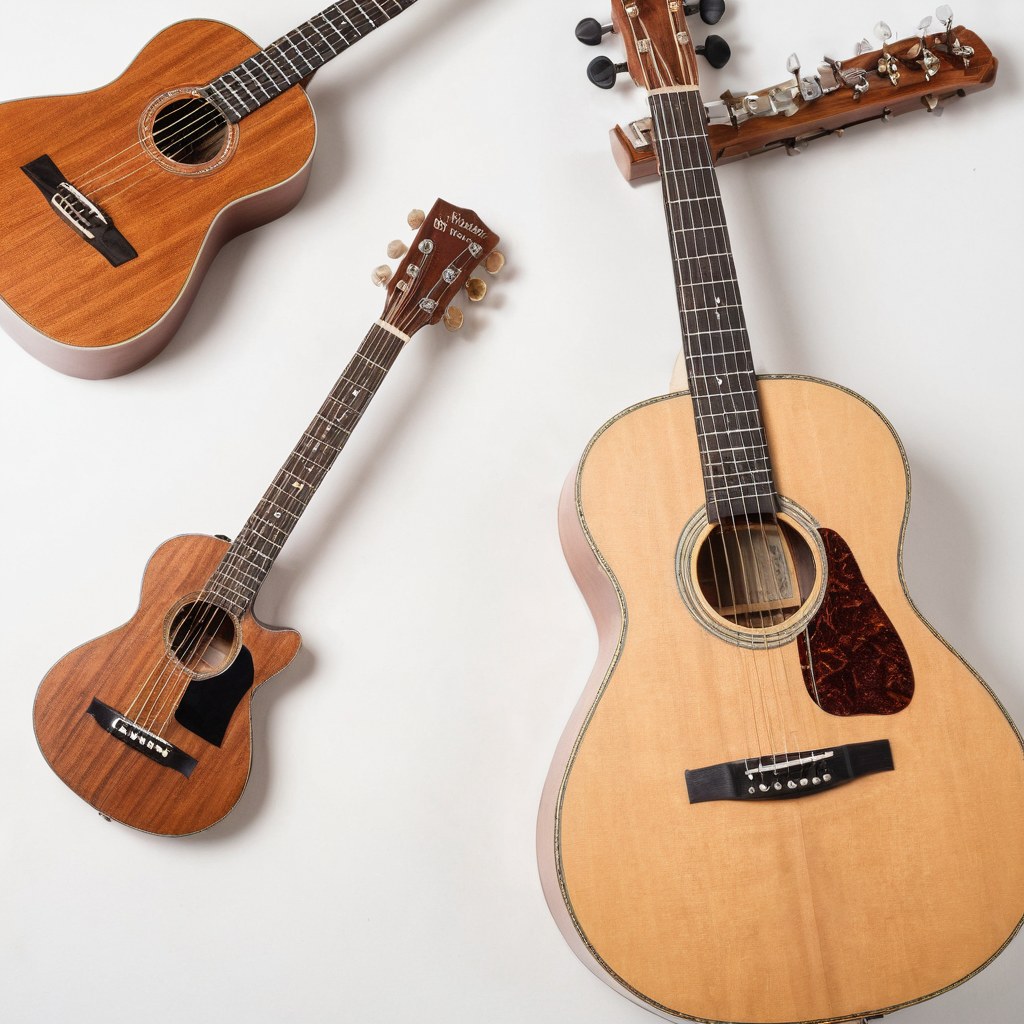
In March 2026, a client who had spent three years building a small audio-accessories brand asked me to help him add budget acoustic guitars for the holiday season. He found a Guangzhou trading company that described itself as a "guitar factory with 20 years of export experience" and quoted $14.50 FOB for a "solid spruce-top dreadnought with a mahogany neck and rosewood fingerboard" at a $1,500 MOQ. The samples looked beautiful in the photos: a deep sunburst finish, bone-white nut, and a fretboard that seemed to glisten. He wired the deposit in April. The container landed at Long Beach in late August — right in time for the September back-to-school and Q4 build. And then the instruments did what cheap guitars always do to the unprepared: the first customer review said the guitar "buzzes at the 7th fret and won't stay in tune" — the frets were never leveled and the tuners were slip-gear; three more reviews mentioned the action at the 12th fret was so high that barre chords were impossible — the neck angle was never set; a customer who opened the soundhole to check the label found painted plywood where the "solid spruce top" was supposed to be; two customers in California returned guitars under Prop 65 complaints over the nickel-plated hardware; and one customer asked pointedly whether the "rosewood" fingerboard was actually CITES-regulated Dalbergia — a question that, had it been a customs inspection instead of a review, would have seized the container. Amazon's listing was suppressed in October — through the entire holiday window — and by January he was clearing the remaining 900 units at 55% off to people who had already bought the competitor's instrument. The root cause wasn't one bad supplier. It was a category where wood species, fretwork, setup, and hardware are the product — and every shortcut in any one of them turns into a buzzing review, a return, or a suspension during the six weeks that pay for your year. That story is why this guide exists.
Musical instruments is one of the most durable and highest-perceived-value consumer categories in the world — a $20+ billion global market spanning acoustic and electric guitars, violins and orchestral strings, pianos and digital keyboards, accordions and wind instruments, percussion, harmonicas, ukuleles, and the fast-growing electronic-instrument tier — and China manufactures the overwhelming majority of the physical goods, from the same hyper-specialized clusters that built the furniture, hardware, and electronics industries: Huizhou builds roughly one in five of the world's guitars, Zheng'an in Guizhou builds one in seven more, Huangqiao in Jiangsu builds over half of the world's violins, Guangzhou builds more pianos than any city on earth, Tianjin builds the accordions and brass, Shenzhen and Dongguan assemble the electronics, and Yiwu floods the budget tier. The margins are attractive — a $12 acoustic guitar retails at $99.99, a $15 ukulele at $59.99, a $25 violin outfit at $129.99, a $9 MIDI controller at $79.99, a $2.50 harmonica at $14.99 — because instruments are a high-consideration, high-perceived-value category where customers pay for playability, tone, and durability rather than for grams of material. But instruments are also the category where the spec sheet is the most dishonest in e-commerce: the claims — solid spruce, mahogany, rosewood, ebony, hand-finished, pro setup — are precisely the things that are faked, and they are faked because they are invisible to the buyer until the instrument is in their hands, plugged in, and often already buzzing. This guide maps the clusters, the real 2026 FOB prices, the compliance stack including the wood rules most sellers miss, the verification protocols that separate a real factory from a rebrander, and the sourcing SOP that decides whether you have a holiday season at all.
Why China Still Wins Instruments (And Where the Margins Live)
China's instrument advantage is the same as its furniture, hardware, and electronics advantages: cluster manufacturing at a scale, speed, and price no other country can match — plus the ability to coordinate a dozen sub-suppliers for one finished instrument. A guitar is rarely made in one place: the body is cut and braced in Huizhou, the neck is shaped in the same district but often a different shop, the fingerboard comes from a wood specialist, the hardware (tuners, bridge, nut) from a hardware factory, the pickups from an electronics shop in Shenzhen, and the final assembly and setup happen wherever the coordinator is. The Chinese supply chain handles this coordination natively; a Western buyer trying to replicate it across countries would pay 3–5x in freight and management overhead. The result is a price structure that makes the category's retail margins possible: a basic harmonica at $0.80–4.00 FOB, a recorder at $0.30–1.50, a kalimba at $1.50–8.00, a budget ukulele at $6–18, a laminate-top acoustic guitar at $12–35, a solid-top acoustic at $25–80, an electric guitar starter pack at $28–80, a violin outfit (instrument + bow + case) at $18–60, a cello outfit at $60–200, a 61-key electronic keyboard at $18–60, a MIDI controller at $8–40, a digital piano at $60–250, an accordion at $40–200, a trumpet at $25–90, a flute at $15–60, a cajon at $8–40, and a children's instrument set at $1.50–12.00 — price points no other manufacturing country can match in the same season.
The margin structure that makes instruments attractive in 2026:
- Harmonicas, 10-hole diatonic (Yiwu / Jiangsu): $0.80–4.00 FOB, retails $9.99–24.99 — the highest-volume entry product; reed quality, gapping, and airtightness decide the reviews
- Recorders, soprano plastic (Yiwu): $0.30–1.50 FOB, retails $6.99–14.99 — the school-music staple; voicing, tuning, and mouthpiece finish decide the tier
- Kalimbas, 17-key (Yiwu / Guizhou): $1.50–8.00 FOB, retails $19.99–39.99 — the fastest-growing wellness SKU; tine material, tuning stability, and resonance box quality decide the reviews
- Ukuleles, laminate soprano (Huizhou): $6–18 FOB, retails $39.99–79.99 — the entry stringed instrument; setup (action, intonation), tuner quality, and finish decide the tier
- Ukuleles, solid-top concert (Huizhou): $15–40 FOB, retails $89.99–149.99 — the mid-tier SKU; real solid top vs laminate, nut width, and fretwork decide the reviews
- Acoustic guitars, laminate dreadnought (Huizhou / Zheng'an): $12–35 FOB, retails $79.99–149.99 — the volume guitar SKU; setup, fretwork, and tuner quality decide the tier
- Acoustic guitars, solid-top (Huizhou): $25–80 FOB, retails $149.99–349.99 — the core mid-tier; real solid top, bracing, and neck angle decide the reviews
- Electric guitars, starter packs (Huizhou / Guangzhou): $28–80 FOB, retails $129.99–299.99 — the beginner tier; fretwork, pickup quality, and amp pairing decide the tier
- Violin outfits, student (Huangqiao, Taixing): $18–60 FOB, retails $89.99–199.99 — the volume orchestral SKU; setup (bridge, soundpost, peg fit), bow quality, and case protection decide the reviews
- Violins, intermediate (Huangqiao): $60–180 FOB, retails $299.99–799.99 — the advancing tier; carved solid wood, varnish, and setup decide the tier
- Cello outfits, student (Huangqiao): $60–200 FOB, retails $249.99–599.99 — the orchestral mid-tier; setup and endpin/hardware quality decide the reviews
- Electronic keyboards, 61-key (Shenzhen / Dongguan): $18–60 FOB, retails $89.99–199.99 — the volume electronics SKU; keybed feel, sound engine, and speaker quality decide the tier
- MIDI controllers, 25–49 key (Shenzhen): $8–40 FOB, retails $59.99–149.99 — the producer staple; keybed velocity response, pads, and knobs decide the reviews
- Digital pianos, 88-key weighted (Shenzhen / Guangzhou): $60–250 FOB, retails $299.99–799.99 — the premium electronics tier; hammer action, polyphony, and speaker system decide the tier
- Accordions, 12–72 bass (Tianjin): $40–200 FOB, retails $149.99–599.99 — the folk/klezmer tier; reed quality, airtightness, and button/key action decide the reviews
- Trumpets, Bb student (Tianjin): $25–90 FOB, retails $119.99–299.99 — the brass entry tier; valve action, intonation, and plating decide the tier
- Flutes, C student (Tianjin / Beijing): $15–60 FOB, retails $99.99–249.99 — the woodwind entry tier; key action, pad sealing, and mechanism alignment decide the reviews
- Cajons (Yiwu / Guangdong): $8–40 FOB, retails $49.99–119.99 — the percussion staple; wood quality, snare response, and seat durability decide the tier
- Children's instrument sets (Yiwu / Chenghai): $1.50–12.00 FOB, retails $14.99–39.99 — the gifting tier; CPSIA/CPC mandatory; paint, small parts, and sound quality decide the reviews
- Instrument accessories — straps, picks, cases, stands, strings (Yiwu / Huizhou): $0.10–8.00 FOB, retails $4.99–34.99 — the margin layer; material quality and hardware decide the tier
The catch: instrument margins are only real if your return rate stays low — and in this category returns are driven by playability failures that surface in the first month of ownership. A guitar that buzzes, an instrument that won't stay in tune, a violin with a bridge cut too high, a keyboard with dead keys, a harmonica that won't sound, or a child's instrument that sheds small parts is not a 'not my style' return; it is a one-star review with a photo of the fret, a return shipping bill that eats the margin, an Amazon compliance flag on a children's SKU, and — for counterfeit Fender, Gibson, Martin, Taylor, Yamaha, or Casio branding — a suspended listing and a seized container. A $0.50 saving on the tuners, $0.30 on the fret wire, $0.20 on the glue, $0.15 on the finish, or $0.10 on the wood grade costs the factory pennies and costs you the entire category.
China's Instrument Clusters: Who Makes What, and Where to Source
Instruments is a multi-cluster category — guitars, bowed strings, pianos, accordions, electronics, and the budget tier each have their own capital, and one finished instrument often combines parts from two or three clusters. Match your product to its cluster and you get factory-direct pricing with real production depth; mismatch it and you're paying a trading company's markup on goods that were coordinated, not made, by the company you're paying. Here's the map:
| Cluster | Specialty | FOB Range (2026) | Typical MOQ |
|---|---|---|---|
| Huizhou (Guangdong) | The Guitar Capital of China: centered on Qiuchang Subdistrict in Huiyang District, producing roughly 20% of the world's guitars (one in five) and 80% of China's domestic ukulele output, with deep capability in acoustic and electric guitars, ukuleles, and the fast-growing smart-guitar tier. The default for anything with six strings, a neck, and a soundhole | $6–80 | 300–2,000 pcs |
| Zheng'an (Guizhou) | The budget-to-mid guitar tier: a county built on the guitar industry in a single decade, now producing roughly 14% of the world's guitars (one in seven), with guitar industrial parks and a deep base of laminate and solid-top acoustic production. The default for cost-competitive acoustic guitars and guitar kits | $10–45 | 500–5,000 pcs |
| Huangqiao, Taixing (Jiangsu) | The 'Cremona of the East': the world's largest violin production base, producing about 70% of China's violins and over half of the world's total — over a million string instruments a year (violins, violas, cellos) exported to 90+ countries. The default for anything bowed | $18–200 | 200–2,000 pcs |
| Guangzhou (Guangdong) | The piano powerhouse: Pearl River Piano Group operates the world's largest piano factory (140,000+ pianos a year, 3 million+ sq ft) — acoustic uprights and grands plus digital pianos — and the city hosts the surrounding action, key, and string supply chain. The default for anything with 88 keys, acoustic or digital | $60–2,000 | 50–500 pcs |
| Tianjin / Beijing | The northern accordion and wind cluster: Tianjin is a global production hub for accordions and orchestral brass/woodwinds (Jinbao Musical Instruments and the surrounding ecosystem), with Beijing historically strong in traditional Chinese instruments and orchestral strings. The default for accordions, trumpets, trombones, flutes, clarinets, and saxophones | $15–200 | 200–2,000 pcs |
| Shenzhen / Dongguan (Guangdong) | The electronic and digital hub: electronic keyboards, digital pianos, MIDI controllers, synthesizers, effects pedals, and smart instruments, embedded in the electronics capital's component ecosystem. The default for anything with a PCB, a keybed, or a USB port | $8–250 | 500–5,000 pcs |
| Yiwu (Zhejiang) | The budget tier and accessory tier: harmonicas, recorders, kalimbas, ocarinas, cajons, percussion, children's instrument sets, and accessories (straps, picks, cases, stands, strings) that move by the container — plus thousands of trading booths that forward orders to factories they don't own | $0.10–12.00 | 1,000–50,000 pcs |
| Shanghai | The premium and traditional tier: historic brands, premium traditional Chinese instruments (erhu, guzheng, pipa), and design-led boutique makers. Useful for high-end traditional instruments and licensed/design-led product, not for volume | $30–500 | 50–500 pcs |
The cluster logic matters more in instruments than in most categories because of what "factory-direct" hides: a guitar "factory" in Huizhou may assemble the instrument but buy the body from a wood shop, the neck from a separate shop, the fingerboard from a wood specialist, the tuners from a hardware factory, and the pickups from Shenzhen. That is normal and fine — the risk is when the supplier you are paying has none of those lines and is simply coordinating them at a markup. Ask who cuts the wood, who does the fretting, who winds the pickups, who does the final setup, and who does the QC; the answer tells you who is really in charge of playability, and it tells you where your QC checks need to go.
The Instrument Compliance Stack: US, EU, Wood Rules, and Platform Rules
United States
- CPSIA / CPC (children's instruments). Instruments marketed for children 12 and under — toy pianos, beginner ukuleles, recorder sets, drum kits, maracas, children's instrument sets — are children's products under CPSIA: they need a Children's Product Certificate (CPC) backed by third-party testing to the applicable ASTM F963-23 requirements, lead limits (90 ppm in paint, 100 ppm in substrate), phthalate limits (0.1% in plasticized parts), small-parts rules, and permanent tracking labels on the product and packaging. Children's instruments without a CPC are a listing suspension and a CPSC enforcement risk, not a paperwork detail.
- Prop 65. Metal parts — brass, nickel-plated keys and valves, plated hardware, tuning pegs, strings — and finishes often contain lead, nickel, or cadmium; California Prop 65 exposure and labeling rules apply to instruments sold into California. A missing warning on a plated-brass trumpet line is a real enforcement and suspension risk in 2026.
- FCC Part 15 / UL 62368-1 (electronic instruments). Electronic keyboards, digital pianos, MIDI controllers, and smart guitars with Bluetooth need FCC Part 15 certification for the radio (or verification for unintentional radiators), and powered gear with an external or internal supply should meet UL 62368-1 safety. Amazon enforces both on electronics listings.
- CITES and the Lacey Act (the wood rules most sellers miss). CITES-regulated woods appear in instruments far more often than sellers realize: Brazilian rosewood (Dalbergia nigra) is Appendix I — commercial trade is banned and transport requires specialized permits; rosewood (Dalbergia spp., other species) — finished instruments are currently exempt from CITES permits but raw logs, sawn wood, and veneer remain regulated under Appendix II; ebony and African blackwood (Diospyros spp. and Dalbergia melanoxylon) are Appendix II with regional annotations that vary by species and origin. Separately, the US Lacey Act requires commercial importers to file a declaration stating the scientific genus, species, and country of origin of all plant and wood materials in the product. A "rosewood" fingerboard or "ebony" peg that is actually a regulated species — or that the factory can't document — is a customs seizure waiting to happen.
- FTC labeling and claim rules. "Solid spruce," "solid mahogany," "hand-finished," "pro setup," and "all-solid" are claims the FTC polices under the FTC Act's deception rules — the claim must be substantiated, and the substantiation (construction documentation, wood species verification) must exist before you print the claim. "Solid spruce top" on a painted-plywood top is a classic FTC sweep target and a fast way to lose a listing.
- Counterfeit enforcement. Fender, Gibson, Martin, Taylor, Yamaha, Casio, and other brand names in titles, headstock logos, or lookalike body shapes that trip brand reports get listings suspended and, for FBA inventory, destroyed. Assume any brand name or brand-shaped headstock is a suspension; build your own brand.
European Union
- CE / EMC and RoHS (electronic instruments). Electronic keyboards, digital pianos, and MIDI controllers need CE under the EMC and Low Voltage Directives (or RED if they have radio/BT), and RoHS compliance for hazardous substances in electronics. A CE sticker with no technical file is a market-surveillance failure waiting to happen.
- EN 71 (children's instruments). Instruments marketed for children are toys under EN 71 — EN 71-1 mechanical/physical, EN 71-2 flammability, EN 71-3 migration of elements — plus REACH limits on phthalates and the lead/cadmium limits in EN 71-3.
- REACH. Metal parts, plating, and finishes must respect REACH limits — nickel release (EN 1811) for skin-contact metal, lead and cadmium restrictions, and phthalates in plastic parts. Brass instruments with high-lead solder or nickel plating are the classic REACH failure.
- GPSR. Every instrument sold in the EU needs an EU responsible person and traceable labeling. Budget ~$500–1,000/year for the EU rep service.
- CITES. The same CITES rules apply — Brazilian rosewood is banned, other rosewoods in finished instruments are currently exempt with documentation, and ebony/African blackwood vary by annotation. EU enforcement of CITES at the border is active; the customs declaration must match the species in the instrument.
- UK. Goods sold into Great Britain need UKCA marking (or CE accepted under current transition rules), UK REACH alignment, and GPSR-equivalent labeling.
Platform Rules (Amazon, Walmart, Sweetwater-style B2B, TikTok Shop)
- Amazon gates some instrument categories and asks for compliance documentation at audit — children's instruments need the CPC/ASTM F963-23 file, electronics need FCC/UL documentation, and wood-containing products increasingly face wood-species questions. The audit window is fall, right when you need the listings live for the holiday season; listings without verifiable documentation get suppressed at the worst possible moment.
- Claim enforcement is active: "solid spruce," "all-solid," "pro setup," and "handcrafted" claims on listings without substantiation get flagged by both Amazon's compliance flags and competitor takedowns. The substantiation — construction photos, wood species documentation, setup checklists — is part of the product.
- Counterfeit enforcement is aggressive: Fender, Gibson, Martin, Taylor, Yamaha, Casio, and other brand names in titles, headstock logos, or lookalike designs that trip brand reports get listings suspended and, for FBA inventory, destroyed. Assume any brand name or brand-shaped headstock is a suspension; build your own brand.
- Walmart and TikTok Shop enforce the same documentation and gating flows; a compliance file built once covers all three.
⚠️ The Wood Substitution and Fake Spec Problem
In instruments, the spec sheet and the wood under the finish are both part of the product — and both are the most-faked parts of it. Real solid spruce tops have a visible grain that runs through the soundboard with no center seam of veneer; real mahogany has a specific density, grain, and reddish hue (and sapele/okoume substitutes are often stained to pass); real rosewood fingerboards are dense, oily, and dark with visible grain (paulownia stained black is the classic fake); real ebony is heavy, fine-grained, and jet black (painted hardwood is the classic fake). The classic downgrades are all measurable: laminated tonewood sold as solid (check the soundhole edge and the grain on the cut edge), painted plywood sold as solid spruce, stained paulownia sold as rosewood, nylon gears sold as metal, slip-gear tuners sold as sealed, level-on-day-one frets that buzz by week three, glue joints that crack in the first winter, pickups that hum, pots that crackle, and MIDI keybeds that fail the velocity test. Before you place an order, verify every claim and every material independently — fret rocker and feeler gauge on the frets, tuner at the 12th fret for intonation, action and relief gauges for setup, magnet/density/grain checks on the wood, XRF on the metal hardware and finishes, humidity-cycle testing on the glue joints, multimeter and signal testing on the electronics, and a test of every key, pad, and knob on digital instruments — and budget $300–3,000 per SKU family for your own third-party testing through an accredited lab. It is the cheapest insurance in the category, and it makes your listings suppression-proof during the six weeks that pay for your year.
The Seven Tests That Separate Real Instrument Factories from Rebranders
Quality in instruments lives in the wood, the fretwork, the setup, the hardware, and the electronics — none of which your listing photos can show. Run these tests on samples, then spot-check production units:
- The fret and intonation test. Run a fret rocker across every fret position and check with a feeler gauge — level frets are the #1 determinant of playability, and buzzing at specific frets means the fretwork was skipped. Check intonation with a tuner at the 12th fret (open and fretted notes should match within a few cents). Check the relief with a feeler gauge at the 7th–9th fret while capoing the 1st and last frets. This single test kills 60% of the fake "pro setup" claims in the category.
- The wood species and construction test. Verify solid vs laminate: check the soundhole edge and the cut edge of the top (laminate shows a visible veneer line), and tap-test for solid tone. Verify species: mahogany, sapele, and okoume have different densities and grain patterns (weigh, look, and compare against known samples); rosewood and ebony fakes (stained paulownia, painted hardwood) fail the density, grain, and oiliness checks; a magnet test distinguishes real metal hardware from plated plastic. For children's instruments, verify finish lead with an XRF.
- The glue and humidity test. Check every glue joint — the neck joint, the bridge, the bracing, the fingerboard — for gaps and squeeze-out, then humidity-cycle the sample (store at high humidity for a week, then dry) and check for cracks, lifting bridges, and neck movement. Instruments that survive the cycle keep their reviews; instruments glued with cheap PVA crack in the first winter.
- The hardware and mechanical test. Cycle every tuner, key, valve, pad, button, and slide 100+ times: tuners must hold pitch without slipping (slip-gear tuners are the classic downgrade), brass valves must move smoothly and seal, flute keys must close pads fully, accordion buttons must not stick, and the endpin/stand hardware must lock. For bowed instruments, check the pegs fit and turn smoothly, the bridge is carved correctly, and the soundpost is standing.
- The electronics test. For electronic instruments: power on, test every key on the keybed for velocity response (a MIDI velocity test catches dead and inconsistent keys), test every pad, knob, and button, check the sound engine for dead voices, measure the power draw, and verify the FCC ID (if any) in the FCC database. For electric guitars, check the pickups with a multimeter and a signal test — hum, dead pots, and microphonic pickups are the classic failures.
- The finish and material test. Check the finish for adhesion (cross-hatch tape test), scratches (steel-wool rub), and off-gassing (a strong solvent smell in the box is a red flag). Check the plating on brass instruments for peeling and the nickel content with XRF (EN 1811-style nickel release for skin contact in the EU). Check the strings and accessories for material quality — a $0.30 string saving is a review killer.
- The chemical and compliance test. For children's instruments: lead (90 ppm paint / 100 ppm substrate), phthalates (0.1%), small parts, and ASTM F963-23 / EN 71 testing through an accredited lab. For all wood-containing instruments: verify the wood species and CITES status of every regulated component (rosewood, ebony, African blackwood) and prepare the Lacey Act declaration. For electronics: FCC Part 15, UL 62368-1, CE/EMC, and RoHS files.
The 8-Step Instrument Sourcing SOP (With the Holiday Calendar)
- Pick your lane and your deadline. Start with accessories, harmonicas, recorders, and kalimbas — light compliance, fast cash cycle. Graduate to ukuleles and budget guitars with a setup and fretwork verification budget, to violins with a setup and bow tier, to electronic instruments with an FCC/RED and keybed testing budget, to brass/woodwinds with a mechanical testing budget, and to children's instruments only with a full CPSIA/CPC budget. Then set the calendar: for the Q4 holiday instrument season, containers need to sail by July–August, which means sourcing decisions in March–April, samples and tests in April–May, production in May–July, and freight booked before production finishes. Back-to-school (September) runs on the May–July calendar. Q1 tax-season and January-resolution demand runs on the September–November calendar.
- Match the product to its cluster. Guitars and ukuleles to Huizhou or Zheng'an; bowed strings to Huangqiao/Taixing; pianos and digital pianos to Guangzhou; accordions, brass, and woodwinds to Tianjin; electronic keyboards, MIDI controllers, and effects to Shenzhen/Dongguan; budget tier and accessories to Yiwu; premium and traditional to Shanghai. A supplier outside the right cluster is either a trader or paying someone else's overhead — and for instruments specifically, ask who cuts the wood, who does the fretting, who winds the pickups, and who does the final setup, because the answer tells you who is really in charge of playability.
- Vet the factory. Business license with an instrument scope, export history, brand customers, the names of their wood, hardware, and electronics suppliers, their setup and QC process (who does the final setup, and how many instruments per day), their certification files (CPC/ASTM F963-23 for children's, FCC/UL for electronics, CITES/Lacey documentation for regulated woods), and a video call onto the actual production floor. In instruments, confirm the wood shop, fretting line, and setup bench exist — the category attracts more coordinators than any other in China.
- Order 2–3 samples from 2+ factories and run the seven-test battery in the spring. The fret/intonation test, the wood species and construction test, the glue and humidity test, the hardware and mechanical test, the electronics test, the finish and material test, and the chemical and compliance test. This is the window that decides whether your holiday season survives.
- Run the compliance tests on the samples. CPSIA/CPC and ASTM F963-23 for children's SKUs, FCC Part 15 and UL 62368-1 for electronics, CITES documentation and the Lacey Act declaration for regulated woods, CE/EMC, RoHS, REACH, and GPSR for the EU — through accredited labs, on the samples, in the spring rather than after the container sails.
- Negotiate MOQ and the mixed-SKU strategy. Instrument economics run on container utilization and spec standardization: combine 20–40 SKUs in one container, standardize on one wood species set, one hardware line, one finish system, and one electronics platform across your whole line, and own your jigs, molds, and tooling on the repeatable SKUs. Fewer platforms mean fewer failure modes and one certification stack to renew.
- Third-party QC on every batch. Inline checks at wood cutting, assembly, fretting, finishing, electronics, setup, and packing, plus final random inspection at AQL 2.5 with random fret-rocker, tuner, glue-joint, and electronics spot checks. Never ship instruments without final inspection — the failures are invisible until they are in a customer's hands, plugged in, and buzzing.
- Book freight and lock the sailing date before production finishes. July–October is peak season out of China for holiday goods — the instrument inventory for every seller collides with the Q4 rush, and vessel space is the constraint. Confirm the booking, the sailing date, and the transit time in writing; the seller with a locked booking has a Christmas while the seller with "a forwarder somewhere" watches the holiday demand climb from a warehouse.
Instruments are one of the biggest and most durable categories in e-commerce when you respect its physics: a $20+ billion global market, a holiday gifting season and a back-to-school season every year, and margins that make a $12 guitar into a $99.99 sale and a $25 violin into a $129.99 sale. But it is also the category where the product sits in the customer's hands, where playability is the product, and where every shortcut — the painted plywood sold as solid spruce, the stained paulownia sold as rosewood, the slip-gear tuners, the skipped fret leveling, the missing setup, the humming pickup, the dead MIDI key, the leaded finish on a child's instrument, the undocumented CITES wood, the unverified CE file — turns into a buzzing review, a return, a compliance flag, or a customs seizure during the six weeks that pay for your year. The sellers who win the holidays aren't the ones who found the cheapest quote; they're the ones who ran the fret rocker, tuned the 12th fret, checked the soundhole edge for the veneer line, humidity-cycled the glue joints, cycled the tuners a hundred times, tested every key and pad, XRF'd the finish and hardware, verified every CITES species and FCC ID online, and locked the sailing date before the container was full. Do that, and the 60–80% gross margins this category offers become yours to keep — through the season that pays for your year.